

From Simple Clicker to Smart Hub: Is This the End of the Traditional Remote?
For decades, the humble remote control has been a staple in our living rooms. Traditionally, it was a simple, plastic brick with rubber buttons, powered by disposable batteries and reliant on line-of-sight infrared (IR) signals. However, as our homes become increasingly connected, the remote control is undergoing a revolutionary transformation. It is no longer just a tool to change TV channels; it is rapidly evolving into a sophisticated smart home hub and an intelligent gateway to our digital lives.
The Rise of Intelligence and AI
The most significant shift in remote control technology is the integration of Artificial Intelligence (AI). Modern smart remotes are moving beyond simple command transmission to become devices that can understand user intent. Tech giants are leading this charge. For instance, at the recent Google I/O developer conference, Google showcased how its Google TV platform is leveraging the Gemini AI model to optimize content discovery. This allows the remote and the TV interface to analyze user preferences deeply, recommending specific shows or app content rather than just listing applications.
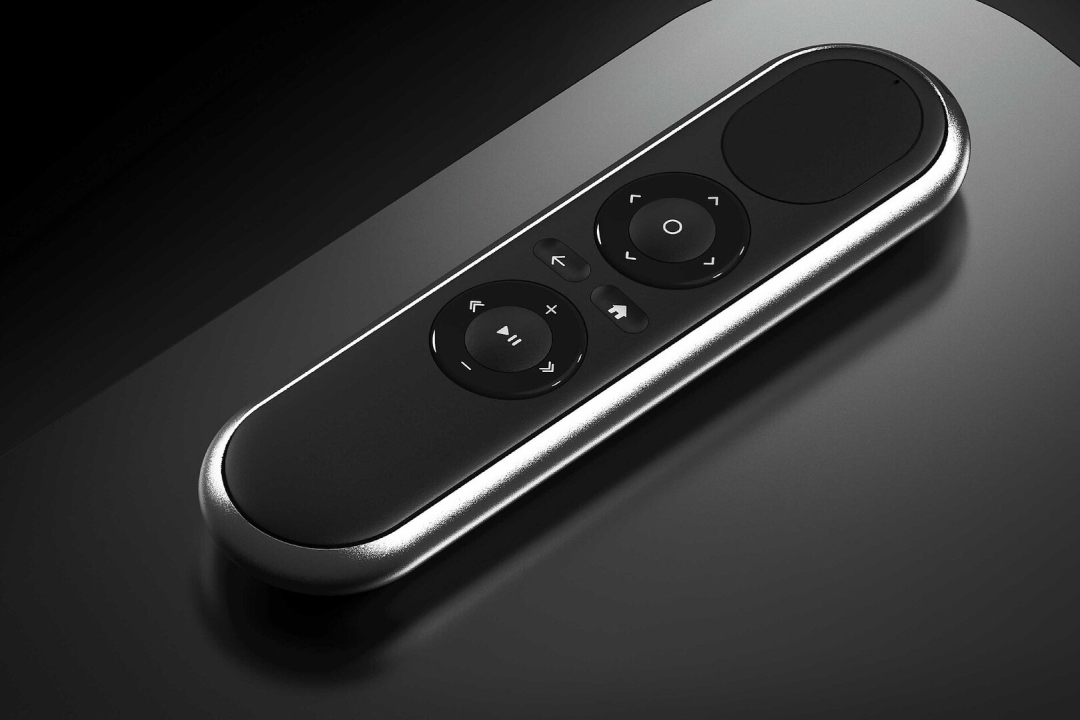
Furthermore, AI is enhancing the physical interaction with these devices. Manufacturers are increasingly incorporating dynamic pointer controls, allowing users to navigate complex on-screen menus with a fluid cursor movement, similar to a computer mouse, rather than tediously pressing directional buttons. This not only improves efficiency but also significantly boosts user satisfaction.
Sustainability Meets Innovation
Innovation in remote controls isn’t limited to software; hardware sustainability is also taking center stage. A major pain point for consumers has always been the need to replace dead batteries. Addressing this, Google, in collaboration with suppliers like Ohsung Electronics and Epishine, has introduced a revolutionary battery-free remote design (the G32 reference model). This device utilizes unique solar cell technology that harvests energy from ordinary indoor lighting. With solar panels on both the front and back, the remote can charge regardless of how it is placed, ensuring it never runs out of power. This eco-friendly approach not only saves consumers money but also reduces electronic waste, marking a significant step toward greener consumer electronics.
The Universal Controller and Connectivity
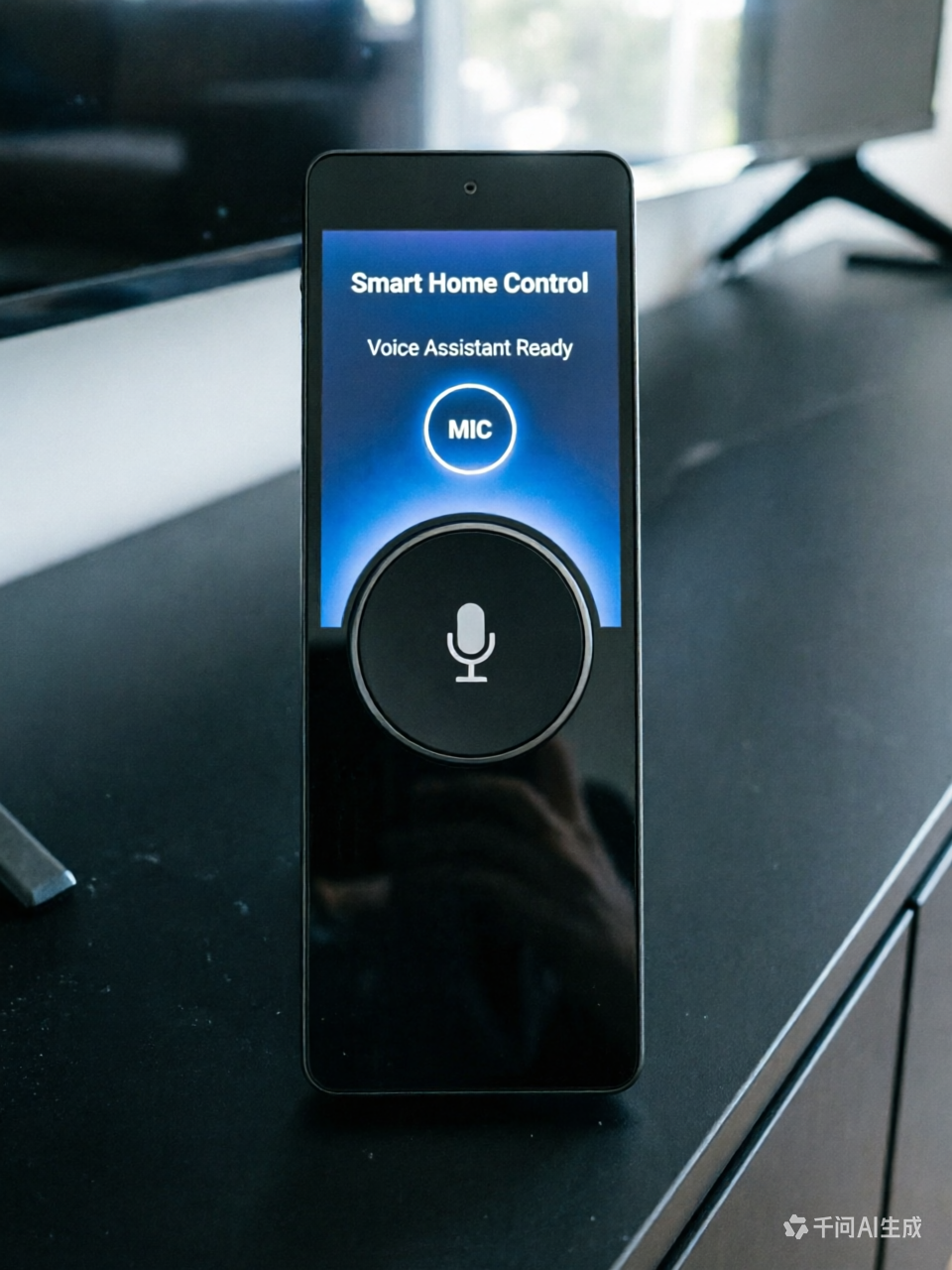
The era of juggling multiple remotes for the TV, soundbar, and set-top box is coming to an end. The industry is moving towards universal control standards. Recent national standards and industry group specifications are pushing for “one remote to rule them all,” capable of controlling devices across different brands. This is made possible by the adoption of unified connectivity protocols like Matter, Wi-Fi, and Bluetooth.
Companies like Samsung are expanding their SmartThings platforms to include products from retailers like IKEA, ensuring seamless interoperability. Meanwhile, specialized smart hosts and remotes from brands like Orvibo are breaking down technical barriers, supporting over 90% of radio frequency (RF) devices and 95% of infrared appliances. This allows a single device to manage everything from air conditioners and curtains to projectors and lighting, creating a truly interconnected smart home ecosystem.
The Future Outlook
As we look ahead, the remote control is shedding its identity as a “dumb” accessory. With the integration of voice recognition, edge computing, and cross-device connectivity, it has become a central nervous system for the modern household. While traditional infrared remotes may linger in budget devices, the future belongs to intelligent, sustainable, and universal controllers that make our interactions with technology more intuitive and effortless than ever before.
Post time: May-20-2026


